I may earn a commission at no extra cost to you. #ad
The Free Guide to Gaming NFTs: How to Monetize Your In-Game Assets and Skins
Jump to Section
For decades, gamers have poured thousands of hours and billions of dollars into virtual worlds, only to have their "ownership" of items remain an illusion. When a game server shuts down, your rare sword or legendary skin disappears. Gaming NFTs (Non-Fungible Tokens) are fundamentally changing this dynamic, shifting power from the developers to the players by enabling true digital ownership.
Understanding Gaming NFTs: From Pixels to Property
A gaming NFT is a unique digital asset stored on a blockchain that represents an in-game item. Unlike traditional in-game items, which are just entries in a private database owned by a company like Ubisoft or Valve, an NFT lives on a decentralized ledger. This means you, the player, hold the "keys" to that asset.
These assets can range from simple vanity skins and weapons to more complex items like digital real estate, playable characters, or even "mana" and experience points. Because these items are on the blockchain, they can be tracked, verified for rarity, and—most importantly—moved outside of the game's ecosystem.
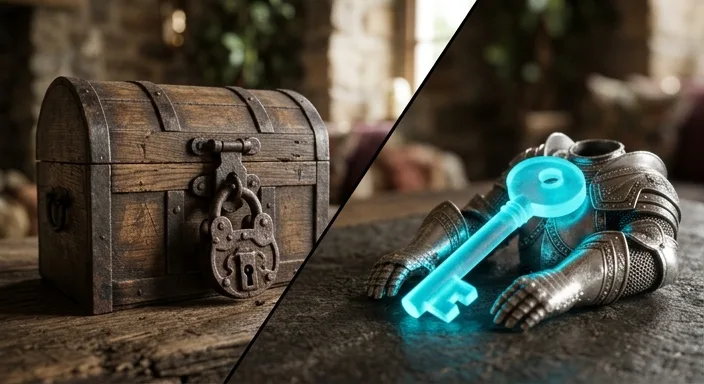
How to Start Monetizing Your In-Game Assets
Monetizing your gaming experience isn't just for professional streamers anymore. Through NFTs, "regular" players can generate income using several different strategies:
- Play-to-Earn (P2E): Many blockchain games reward players with native tokens or NFT drops for completing quests, winning battles, or participating in seasonal events.
- Breeding and Crafting: In games like Axie Infinity, players can "breed" new characters with unique traits. If you produce a character with rare stats, you can sell it for a significant profit on the secondary market.
- Digital Landlording: Games like The Sandbox or Decentraland allow you to own virtual land. You can monetize this by renting it to others, hosting virtual events, or placing advertisements.
- Flipping Rare Skins: Just like traditional trading cards, certain NFT skins are released in limited quantities. Savvy traders buy these during the "mint" and sell them later when the game’s player base grows and demand increases.
Top Gaming NFT Ecosystems to Watch in 2024
The landscape of blockchain gaming is evolving rapidly. To find the best opportunities for monetization, you need to look where the liquidity and the players are. Currently, several ecosystems dominate the space:
Immutable X: A Layer-2 scaling solution for Ethereum specifically designed for gaming. It offers zero gas fees for peer-to-peer trading, making it the home for games like Gods Unchained and Guild of Guardians.
Polygon: Known for its speed and low costs, Polygon has attracted major partnerships with traditional gaming giants. It hosts a massive variety of RPGs and strategy games that utilize NFTs.
Solana: Because of its ultra-fast transaction speeds, Solana is the preferred home for high-fidelity, fast-paced games like Star Atlas and Aurory.
Marketplaces for Trading Skins and Items
Once you’ve earned or "minted" a gaming NFT, you need a place to sell it. While some games have built-in marketplaces, many players use third-party platforms to reach a wider audience:
- OpenSea: The largest general NFT marketplace where you can find assets from almost every blockchain game.
- Magic Eden: The primary hub for Solana-based gaming assets and increasingly expanding to other chains.
- Aqua.xyz: A dedicated gaming NFT marketplace that provides deep stats on item utility and in-game performance.
- Mochi Marketplace: Often used for smaller, indie-driven meme gaming assets and community tokens.
Risks and Security in Blockchain Gaming
While the prospect of earning while playing is exciting, it is not without risk. The "Play-to-Earn" model has faced criticism for being unsustainable if the game isn't actually fun to play. If a game’s player base collapses, the value of your NFTs will likely follow.
Security is also paramount. Always use a dedicated gaming wallet (like MetaMax or Phantom) and never share your seed phrase. Be wary of "phishing" links that promise free NFT airdrops but instead drain your wallet. Finally, remember that crypto markets are volatile—only invest time and money that you are prepared to lose.
The Future of Play-to-Earn and Interoperability
The "holy grail" of gaming NFTs is interoperability. Imagine wearing a skin you earned in a fantasy RPG as your avatar in a futuristic racing game. While we aren't quite there yet, the development of cross-chain protocols is making this more likely. As "AAA" studios begin to integrate blockchain technology, we expect to see a shift from "Play-to-Earn" to "Play-and-Earn," where the primary focus is fun, with monetization acting as a natural byproduct of ownership.
Frequently Asked Questions
1. Do I need to buy crypto to start playing NFT games?
Not always. Many games are now "Free-to-Play" and allow you to earn your first NFTs or tokens through gameplay, though buying an initial "starter pack" often speeds up your progress.
2. Can I move my skins between different games?
Currently, most NFTs are specific to one game. However, developers are working on "interoperable" assets that can be recognized and used across multiple titles within the same ecosystem.
3. How do I turn my gaming NFTs into real cash?
You sell the NFT on a marketplace for a cryptocurrency (like ETH or SOL), then transfer that crypto to an exchange (like Coinbase or Binance) to withdraw it as USD or EUR.