The Free Guide to Fractional NFTs: How to Own a Piece of Blue-Chip Digital History
Jump to Section
What are Fractional NFTs (f-NFTs)?
For most of the early history of non-fungible tokens, ownership was binary: you either owned the entire asset or you owned nothing. While this works for affordable collectibles, it created a massive barrier to entry for "blue-chip" assets like Bored Ape Yacht Club (BAYC), CryptoPunks, or rare 1-of-1 digital art by artists like Beeple. When the floor price of a collection reaches six figures, the average enthusiast is priced out of the market.
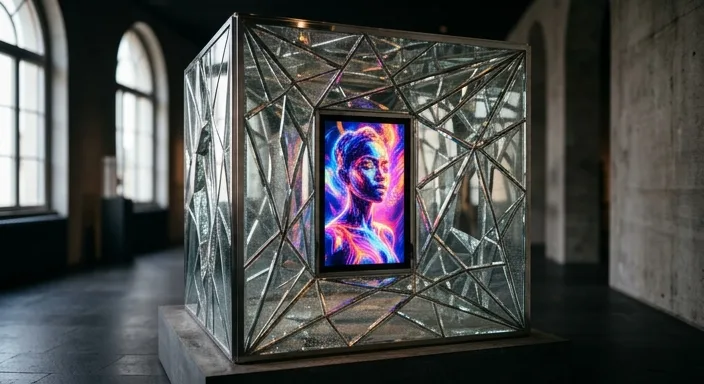
Enter Fractional NFTs (f-NFTs). Fractionalization is the process of taking a single NFT and breaking it down into smaller, fungible pieces. These pieces represent a percentage of ownership in the original asset. Think of it like a publicly-traded company: the company is the NFT, and the shares are the ERC-20 tokens that people buy and sell on the open market.
How the Fractionalization Process Works
The technical magic behind fractional NFTs happens through smart contracts. Here is a simplified breakdown of the workflow:
- Locking the Asset: An NFT owner locks their NFT into a smart contract vault.
- Tokenization: The smart contract then issues a fixed supply of fungible tokens (usually ERC-20 tokens on Ethereum). For example, a vault might issue 1,000,000 tokens representing ownership of a specific CryptoPunk.
- Distribution: These tokens are then distributed through an auction, a direct sale, or by providing liquidity on a decentralized exchange like Uniswap.
- Valuation: The total value of the NFT is now determined by the market price of the individual fractions multiplied by the total supply of tokens.
By using the ERC-20 standard for the fractions, these "pieces" of the NFT can be easily traded, used as collateral in DeFi protocols, or held in standard crypto wallets.
The Benefits of Fractional Ownership
Why would someone want to own 0.001% of a Bored Ape? There are several compelling reasons:
1. Democratized Access: It lowers the financial barrier. Investors who can’t afford $100,000 can still gain exposure to the price appreciation of high-end assets with as little as $10.
2. Increased Liquidity: Selling a whole NFT can take days, weeks, or months to find the right buyer at the right price. Selling fractions on a decentralized exchange is nearly instantaneous, providing much-needed liquidity to the NFT market.
3. Price Discovery: Because fractions trade frequently, they provide a more accurate, real-time market valuation for rare assets that might otherwise only sell once a year.
4. Portfolio Diversification: Instead of putting all your capital into one mid-tier NFT, you can own small pieces of ten different legendary collections, spreading your risk across the entire blue-chip sector.
Top Platforms for Fractionalized Digital Assets
Several platforms have pioneered the infrastructure for f-NFTs. Each offers different mechanisms for locking and trading assets:
- Fractional.art (now Tessera): One of the original leaders in the space, allowing users to collective buy, sell, and fractionalize NFTs.
- Unicly: This platform allows users to combine multiple NFTs from different collections into a single "uToken" vault, effectively creating an NFT index fund.
- NFTX: While slightly different, NFTX creates liquid markets for NFTs by allowing users to deposit their NFTs into a pool and receive a fungible vToken in return.
Governance and the Reconstitution Process
What happens if someone wants to buy the entire NFT back from the fractional holders? This is known as reconstitution or a buyout.
Most fractional protocols include a "Buyout" mechanism. A buyer can trigger an auction by depositing a certain amount of ETH into the vault. Token holders then vote (using their fractions) on whether to accept the bid. If the buyout is successful, the buyer gets the NFT, and the fractional holders can claim their share of the ETH deposited by the buyer. This ensures that the asset isn't "locked forever" if a massive offer comes in.
Risks and Challenges of f-NFTs
While exciting, fractionalization isn't without its pitfalls. Potential investors should be aware of the following:
- Smart Contract Risk: As with all DeFi, if the vault's smart contract has a bug, the underlying NFT could be lost or stolen.
- Liquidity Issues: While fractions are *more* liquid than whole NFTs, low-volume vaults can still suffer from high slippage.
- Regulatory Uncertainty: Some jurisdictions may view fractional NFT tokens as unregistered securities, as they involve an "investment of money in a common enterprise with a reasonable expectation of profits."
- Governance Apathy: If token holders don't participate in buyout votes, the asset can become stuck in a state of limbo.
Frequently Asked Questions
Generally, no. IP rights (like those for BAYC) usually reside with the owner of the full NFT. In a fractionalized scenario, the IP rights are often in a legal grey area or managed by a DAO (Decentralized Autonomous Organization) representing the holders.
Socially, you can claim you own part of it, but you don't "own" the specific token ID required for official NFT verification on platforms like Twitter/X or Instagram.
They are effectively the same thing. "Shards," "fractions," and "shares" are all terms used interchangeably to describe the fungible tokens that represent partial ownership of a vaulted NFT.