The world of Non-Fungible Tokens (NFTs) can feel like a digital gold rush, but building a high-value portfolio requires more than just luck. It requires a disciplined approach to research, a firm grasp of blockchain security, and a long-term perspective. Whether you are interested in digital art, meme culture, or gaming utility, the principles of value remains consistent.
Before spending a single Wei or Satoshi, you must understand what makes an NFT valuable. Unlike physical assets, digital collectibles derive value from provenance, scarcity, and utility.
Scarcity: Look for projects with limited supply. A collection of 10,000 items is standard, but smaller, "1-of-1" editions often carry higher prestige and price floors. Utility: Does the NFT grant you access to a private community, a future game, or a share of project revenue? Utility provides a "reason to hold" during market downturns. Cultural Relevance: This is where memes and trading cards shine. If a project captures the zeitgeist of the internet, its value is driven by social proof and community demand.
Your portfolio value is zero if your assets are stolen. As a beginner, security is your highest priority. Never store high-value NFTs on a centralized exchange or a simple "hot wallet" like a browser extension without additional protection.
Invest in a Hardware Wallet (like Ledger or Trezor). This keeps your private keys offline, requiring physical confirmation for any transaction. Furthermore, always use a separate "burner wallet" for minting new projects. If a mint site is malicious, it can only drain the small amount of funds in the burner, leaving your main portfolio safe in your "cold storage" vault.
To build a high-value portfolio, you must look past the hype. Use this three-step framework for every project you consider:
A high-value portfolio is rarely composed of just one type of asset. Diversification protects you from sector-specific crashes. A balanced beginner portfolio might look like this:
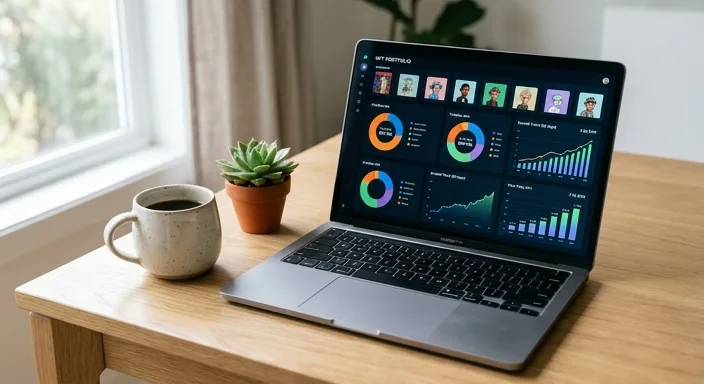
The NFT market moves faster than traditional stocks. You cannot simply "set it and forget it." Use tools like OpenSea Pro, Blur, or Gem to track floor prices and volume. Keep an eye on "Unique Holders" percentages; if a few whales own most of the supply, they can crash the price by selling. Aim for projects where the supply is distributed among thousands of individual wallets.
Scams are the biggest hurdle for beginners. Be wary of "Direct Messages" (DMs) on Discord or X (formerly Twitter) offering "exclusive whitelist" spots. Always double-check URLs before connecting your wallet. If a deal seems too good to be true—like a free high-value NFT—it is almost certainly a drainer scam designed to empty your wallet.
1. How much money do I need to start an NFT portfolio?
While some NFTs cost thousands, you can start with as little as $50-$100 on networks like Polygon or Solana where gas fees are low. The key is to start small and learn the mechanics first.
2. Should I buy on the secondary market or mint new projects?
Minting is cheaper but riskier, as you don't know if the project will gain traction. Buying on the secondary market (like OpenSea) allows you to see the community reaction and price stability before committing.
3. What are gas fees?
Gas fees are the transaction costs paid to miners/validators on the blockchain. On Ethereum, these can be expensive during busy times. Always check a gas tracker before confirming a transaction.
4. Can I lose all my money in NFTs?
Yes. NFTs are highly volatile and speculative. Never invest more than you are willing to lose, and prioritize security to prevent theft.
Ledger Nano X Hardware Wallet
View on AmazonMetal Crypto Seed Phrase Storage Kit
View on AmazonShare this guide: