Navigating the Metaverse: A Free Guide to Buying and Selling Virtual Real Estate
Estimated Read Time: 6 mins
Difficulty Level: Intermediate
The concept of "real estate" has officially escaped the boundaries of the physical world. While critics once dismissed the idea of buying digital pixels as a passing fad, the Metaverse has evolved into a multi-billion dollar economy. Today, major brands like Nike, Samsung, and JP Morgan are establishing footprints in virtual worlds, driving a land rush that mirrors the historical expansion of physical cities.
Virtual real estate (VRE) represents more than just a 3D environment; it is a fundamental shift in how we perceive digital ownership, community, and commerce. This guide will walk you through the mechanics of the Metaverse land market, from choosing the right platform to executing your first sale.
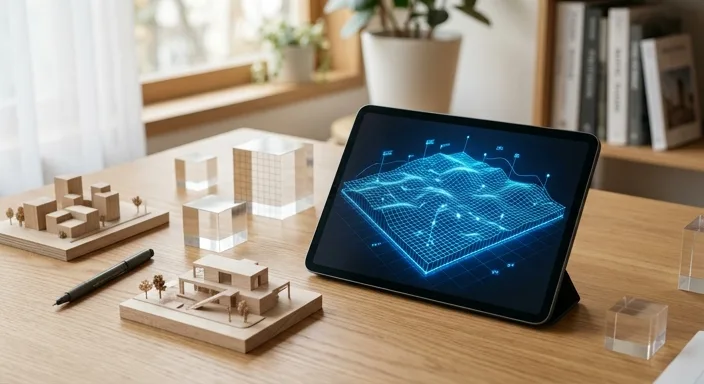
What is Virtual Real Estate?
At its core, virtual real estate consists of individual parcels of digital land within a Metaverse platform. These parcels are represented as Non-Fungible Tokens (NFTs) stored on a blockchain, usually Ethereum or Polygon. Because each parcel is an NFT, it is unique, provably scarce, and cannot be duplicated or stolen once it is in your wallet.
Unlike traditional real estate, where value is often determined by physical proximity to resources or jobs, virtual real estate value is driven by traffic, social utility, and development potential. Owners have full sovereignty over their land, allowing them to build games, host virtual concerts, open digital storefronts, or simply hold the asset for future appreciation.
Step-by-Step: How to Buy Virtual Land
Ready to become a digital landlord? Follow these steps to secure your first plot:
- Set Up a Web3 Wallet: You need a wallet like MetaMask or Coinbase Wallet to store your NFTs and cryptocurrency.
- Acquire Currency: Most platforms require their native token (e.g., MANA for Decentraland, SAND for The Sandbox) or Ethereum (ETH). You can buy these on exchanges like Binance or Kraken.
- Browse the Marketplace: You can buy directly from the platform's official marketplace or through secondary aggregators like OpenSea. Direct maps are often better for seeing where a plot is located relative to "districts."
- Confirm and Pay: Once you find a plot, click buy. You will need to pay the price of the land plus a small "gas fee" (transaction cost) to the blockchain network.
- Verify Ownership: Once the transaction clears, the NFT will appear in your wallet. You are now the official owner.
Evaluating the Value of Digital Property
In the Metaverse, "Location, Location, Location" still applies, but the definition of location is different. Look for these three factors:
1. Proximity to Spawns and Hubs: In most virtual worlds, users "spawn" at specific coordinates. Land near these entry points or near famous landmarks (like the Atari hub in The Sandbox) naturally gets more "eye-traffic."
2. District Synergies: Many Metaverses have themed districts (e.g., Fashion District, Gaming Zone). Buying land in a district that matches your intended use increases the likelihood of attracting the right audience.
3. Scarcity and Size: Larger "estates" (connected parcels) are much rarer than single 1x1 plots. These often command a massive premium because they allow for larger, more complex builds.
Monetizing Your Virtual Assets
Owning the land is only the first step. To generate a return on investment, you can explore several avenues:
- Virtual Renting: If you own land in a high-traffic area, brands may pay you to host their digital billboards or pop-up shops.
- Development and Resale: Just like "flipping" a house, you can build a high-quality game or social experience on your land and sell the entire package (land + build) for a profit.
- Charging for Access: You can host ticketed events, such as concerts, workshops, or exclusive clubs, charging users an entry fee in crypto.
- Advertising: Leasing space to "Metaverse Ad Networks" that rotate various advertisements across your property.
Risks and Market Considerations
The Metaverse is a frontier market, and that comes with significant risk. Before investing significant capital, keep these points in mind:
Platform Longevity: If a platform goes bust or the developers stop maintaining it, your land NFT may still exist on the blockchain, but the "world" it represents will vanish, making the asset worthless.
Liquidity Issues: Unlike Bitcoin or Ethereum, which you can sell in seconds, real estate is an "illiquid" asset. It may take weeks or months to find a buyer for a specific plot of land.
Regulatory Changes: Governments are still deciding how to tax and regulate virtual assets. Future laws could impact how you buy, sell, or earn income from your digital property.
Frequently Asked Questions
Can I lose my virtual land?
As long as you have the private keys to your wallet and the blockchain remains operational, you cannot lose your land. However, if you lose access to your wallet or get hacked, your land can be stolen.
Do I need a VR headset to visit my land?
No. Most Metaverse platforms like Decentraland and The Sandbox are accessible via a standard web browser or desktop application. VR headsets are optional but recommended for more immersive platforms like Somnium Space.
Is virtual land a good investment?
It is highly speculative. While some have made millions, many others have lost money. It should be treated as a high-risk, high-reward component of a diversified portfolio.
How are taxes handled for virtual real estate?
In many jurisdictions, virtual land is treated as property or a capital asset. Selling land for a profit usually triggers capital gains tax. Always consult with a local tax professional.
Next Guide: How to Monetize Your Gaming NFTs & Skins →
As an Amazon Associate I earn from qualifying purchases.
Disclaimer: The content on memetradingcards.com is for informational and entertainment purposes only. All DIY projects and product purchases are undertaken at your own risk. Buyer beware.