I may earn a commission at no extra cost to you. #ad
The Free Guide to Flipping Meme Coins for Profit in 2024
Jump to Section
Understanding the 2024 Meme Coin Market
Meme coins have evolved from simple jokes like Dogecoin into a sophisticated, high-speed trading sector of the cryptocurrency market. In 2024, the landscape is dominated by speed, community sentiment, and specific blockchain ecosystems. Unlike "utility" tokens, meme coins derive their value almost entirely from cultural relevance and viral marketing.
The primary battlegrounds today are Solana (SOL) and Base. Solana has become the de-facto home for retail meme trading due to its sub-penny transaction costs and near-instant settlement. Base, the Layer 2 solution from Coinbase, is rapidly gaining ground as a bridge for everyday users to enter the "on-chain" world. To succeed in flipping these assets, you must understand that you aren't investing in technology; you are trading attention.
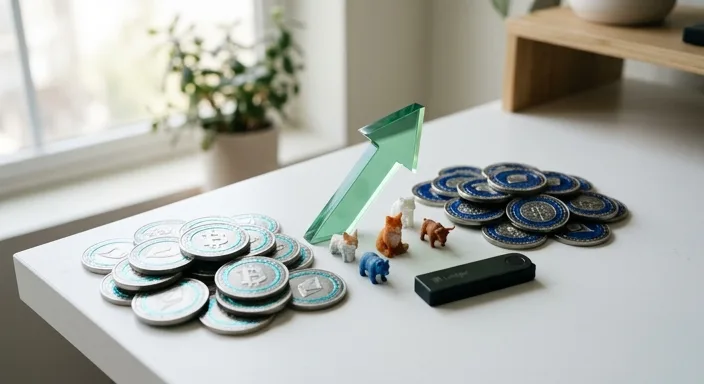
Essential Tools for Every Trader
If you are still using a standard centralized exchange (CEX) like Binance or Coinbase to buy meme coins, you are already too late to the party. The real profits are made on decentralized exchanges (DEXs). To compete, you need the right stack:
- DEXscreener / Birdeye: Essential for real-time charting and monitoring new liquidity pairs.
- Phantom or Metamask: Secure self-custody wallets are mandatory for interacting with DEXs.
- Telegram Bots (e.g., BonkBot, Trojan): These bots allow you to buy and sell tokens within seconds, bypassing the slower web interfaces of DEXs.
- RugCheck.xyz: A critical tool for Solana traders to analyze contract safety before clicking buy.
How to Spot Potential 100x Gems
Identifying a winning meme coin before it hits the mainstream requires a mix of data analysis and "vibe checking." Look for tokens with a strong, organic following on X (formerly Twitter) and Telegram. Avoid coins that rely solely on paid "influencer" shills, as these often dump as soon as the promotion ends.
Key indicators of a "gem" include a unique narrative, high-quality original art (not just AI-generated clones), and a developer who is active in the community. Furthermore, check the Liquidity to Market Cap ratio. If liquidity is too low, you won't be able to sell your profits without crashing the price.
Risk Management: Protecting Your Capital
Flipping meme coins is essentially high-stakes gambling. The most successful flippers treat it like a business, not a trip to the casino. The golden rule is: Never invest more than 1-5% of your total portfolio into a single meme coin.
Assume every coin you buy is going to zero. By expecting a total loss, you remove the emotional attachment that leads to "holding the bag." Set a strict limit on how many "lotto tickets" you buy per day, and never "revenge trade" after a loss.
The Perfect Exit Strategy
The hardest part of flipping isn't buying—it's selling. Many traders see their portfolio go up 10x, only to watch it crash back to zero because they didn't take profit. Use the "Initial Out" method:
- When your investment 2xs, sell 50% to recover your initial capital.
- At 3x or 5x, sell another 25% to lock in guaranteed profit.
- Leave the remaining 25% as a "moonbag" to ride toward massive gains.
By following this strategy, even if the coin eventually rugs, you have already secured a profit.
Avoiding Common Scams and Rug Pulls
The meme coin space is rife with "honeypots" (tokens you can buy but can't sell) and "rug pulls" (where the developer drains the liquidity). Before trading, always check: 1. Is Liquidity Burned/Locked? If not, the dev can steal the funds at any time. 2. Is the Mint Function Disabled? If the dev can mint more tokens, they can devalue your holdings instantly. 3. Top Holder Percentage: If the top 10 wallets hold 50% of the supply, they can crash the market at will.
Frequently Asked Questions
How much capital do I need to start flipping meme coins?
In 2024, you can start with as little as $50 to $100, especially on low-fee networks like Solana or Base. However, remember that high volatility means you should only trade money you are willing to lose entirely.
What is the best blockchain for meme coins in 2024?
Solana remains the dominant chain for meme coin volume due to low fees and high speed. However, Base (Coinbase's Layer 2) and Ethereum still see significant high-value launches.
How do I avoid getting rug pulled?
Use tools like RugCheck.xyz or DEXscreener to verify if liquidity is locked and the contract is renounced. Avoid coins where a single wallet holds more than 5-10% of the total supply.
What is a "moonbag"?
A moonbag is a small portion of your tokens (usually 10-20%) that you keep after taking your initial investment and profit out. This allows you to benefit if the coin continues to rise significantly without risking your initial capital.