I may earn a commission at no extra cost to you. #ad
Free Palworld Card Game Guide: Your Beginner's OCG & TCG Quickstart
Estimated Read Time: 5 Mins Difficulty Level: Beginner
Table of Contents
Introduction to Palworld's Card Game
Welcome, fellow Pal Tamers, to the exciting world of the Palworld Card Game! Just like in the video game, you'll embark on a journey to collect powerful Pals, craft strategies, and engage in thrilling battles, but this time, it's all on the tabletop. Whether you're a seasoned TCG veteran looking for your next addiction or a complete newcomer to card games, this guide is your essential quickstart to understanding the basics of Palworld's official collectible card game (CCG). We'll cover everything from the core concepts to setting up your first game, ensuring you're ready to dive into the action.
The Palworld Card Game offers a unique blend of familiar mechanics with the beloved Pals and elements from the digital world. Prepare to build your ultimate team, master elemental synergies, and outwit your opponents in strategic duels. Let's get started on your path to becoming a Palworld Card Game champion!
What is the Palworld Card Game?
The Palworld Card Game is a strategic collectible card game where two players use pre-constructed or custom-built decks to battle each other. Each deck is filled with Pal cards, Trainer cards, and various support cards designed to help you capture, battle, and evolve your Pals. The objective is typically to reduce your opponent's 'Life Points' or meet specific victory conditions through clever plays and powerful Pal abilities.
Inspired by the monster-collecting and survival elements of the Palworld video game, the card game brings those beloved creatures to life in a new format. Players summon Pals to their 'Battle Zone,' use their abilities, and play Trainer cards to gain advantages. Resource management, tactical positioning, and anticipating your opponent's moves are key elements to success in this dynamic card game.
Key Differences: OCG vs. TCG
For newcomers to card games, the terms OCG and TCG can sometimes be confusing. In the context of the Palworld Card Game:
- OCG (Original Card Game): This generally refers to the initial release of the game in its native region, often Japan or other Asian markets. OCG versions might have earlier card releases, different card numbering, or unique promotional items. Rule differences, especially regarding ban lists and errata, can also exist.
- TCG (Trading Card Game): This refers to the localized versions released for Western markets, such as North America and Europe. TCG versions are typically translated into English and other languages, and their card releases might lag behind the OCG. While the core game rules are usually the same, TCGs often maintain their own separate ban lists, tournament formats, and card printings.
For beginners, it's crucial to know which version you are playing or collecting, as mixing OCG and TCG cards in official play might be restricted, and different rule sets could apply to tournaments. Most players in English-speaking regions will primarily engage with the TCG version.
Getting Started: What You Need
To begin your Palworld Card Game adventure, you'll need a few essentials:
- A Starter Deck: This is the easiest way to jump in. Starter decks come pre-built with everything you need to play, including a balanced set of Pal cards, Trainer cards, a rulebook, and sometimes playmats or counters.
- Booster Packs (Optional): Once you understand the basics, booster packs allow you to expand your collection, find rare cards, and customize your decks.
- A Playmat: While not strictly necessary, a playmat helps organize your cards and designates specific zones for your Pals, deck, discard pile, and resources.
- Counters/Markers: Some Pal abilities or game mechanics might require tracking damage, status effects, or resources. Dice or small tokens work perfectly.
- A Friend to Play With: The best way to learn is by playing! Find a friend who is also interested or join a local community.
Most starter sets are designed to teach you the fundamental mechanics, making them ideal for absolute beginners.
Basic Gameplay Overview
While specific rules can vary slightly between games, most collectible card games, including Palworld, follow a general flow:
- Setup: Both players shuffle their decks, draw an opening hand (usually 5-7 cards), and determine who goes first. You might also set up your starting Pals or resources.
- Turns: Players take turns performing actions. A typical turn involves drawing a card, playing a resource (if applicable), playing Pal cards from your hand to your 'Battle Zone', activating Pal abilities, playing Trainer/Spell cards, and then attacking your opponent's Pals or directly their 'Life Points'.
- Combat: When Pals battle, they compare attack and defense values. Damage is usually dealt to the Pal's health, and when a Pal's health drops to zero, it's 'knocked out' or 'discarded.'
- Victory Condition: The game continues with players taking turns until one player meets the victory condition, such as reducing the opponent's Life Points to zero, decking them out (running out of cards to draw), or achieving a unique objective.
The core of Palworld's gameplay revolves around strategically deploying your Pals, utilizing their unique skills, and managing your resources to overwhelm your opponent.
Understanding Card Types
Your Palworld Card Game deck will primarily consist of a few key card types:
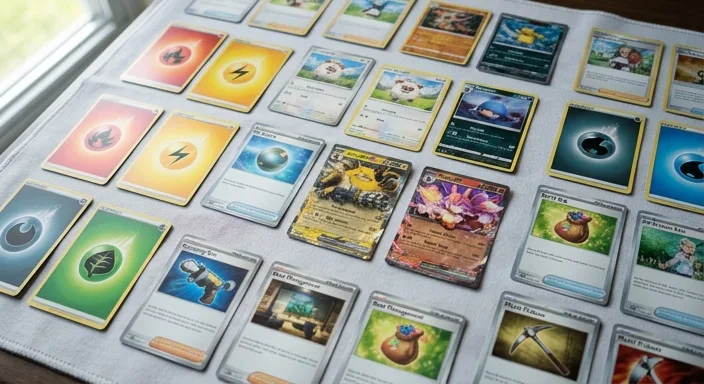
- Pal Cards: These are your main combatants. Pal cards feature different Pals from the game, each with unique stats (Attack, Defense, HP), elemental types (Fire, Water, Grass, Electric, etc.), and special abilities. Some Pals might evolve from others, similar to the video game.
- Trainer Cards: These cards represent items, characters, or actions from the Palworld universe that provide one-time effects or ongoing benefits. They can disrupt your opponent, draw more cards, search your deck, or boost your Pals.
- Energy/Resource Cards: Most Pal actions and abilities require specific energy or resource cards to be 'attached' or 'paid.' Managing your energy is crucial for playing powerful Pals and using their stronger attacks.
- Special Cards (e.g., Locations/Structures): Some games include cards that represent locations or structures that offer passive effects to both players or specific advantages to the owner. (Check specific Palworld TCG rules for exact card types).
Familiarizing yourself with what each card type does and how it interacts with others is fundamental to building effective strategies and understanding the flow of play.
Your First Turn: A Step-by-Step Guide
While the exact sequence can vary, a typical first turn in the Palworld Card Game might look something like this:
- Draw Phase: Draw one card from your deck.
- Resource Phase: Play one energy/resource card from your hand into your resource zone (if the rules allow one per turn).
- Main Phase: This is where most of your actions happen:
- Summon Pals: Play basic Pal cards from your hand to your Battle Zone or Bench (support area).
- Evolve Pals: If you have an evolved Pal card and its prerequisite basic Pal already in play, you might be able to evolve it.
- Play Trainer Cards: Use item, support, or special action cards from your hand.
- Activate Pal Abilities: Use any "on play" or "once per turn" abilities of your Pals.
- Battle Phase (if applicable): If you have an active Pal, you may declare an attack against an opponent's Pal or their Life Points, provided your Pal meets any attack requirements (e.g., sufficient energy).
- End Phase: Check for any end-of-turn effects or hand-size limits. Your turn concludes.
Remember, the first player often has some restrictions (e.g., no attacking on the first turn) to balance the game. Always refer to the official Palworld Card Game rulebook for precise turn structure and restrictions.
Winning the Game
The primary goal in the Palworld Card Game is to be the first to achieve your specific victory condition. This commonly involves:
- Reducing Opponent's Life Points: Many card games revolve around dealing damage to your opponent until their "life total" reaches zero. Your Pals' attacks will be your main way to chip away at this.
- Knocking Out Key Pals: Some games might have an objective of knocking out a certain number of your opponent's main Pals or specific high-value targets.
- Decking Out: If your opponent runs out of cards to draw from their deck at the start of their turn, they often lose the game.
- Specific Card Conditions: Very rarely, certain powerful cards might have unique "win conditions" printed on them.
Understanding your win condition and how your deck helps you achieve it is critical for developing a winning strategy. Focus your plays and resources towards that goal.
Building Your First Deck
Once you've grasped the basics, you'll naturally want to build your own deck. Here’s a simple approach for beginners:
- Choose a Pal Type/Strategy: Start by picking a few of your favorite Pals or a specific elemental type (e.g., Fire Pals) you want to build around.
- Include Basic & Evolved Pals: Ensure you have enough basic Pals to start with and their evolved forms if you plan to use them. A good ratio of strong attackers, defenders, and Pals with useful abilities is key.
- Add Trainer Support: Incorporate Trainer cards that synergize with your Pals, help you draw cards, search your deck, or disrupt your opponent.
- Balance Energy/Resources: Make sure you have enough energy or resource cards to play your Pals and use their abilities. A common starting point is about one-third of your deck dedicated to resources.
- Stick to the Deck Size Limit: Official rules will specify a minimum and maximum deck size (e.g., 60 cards). Adhere to this limit for consistency.
Don't be afraid to experiment! Your first deck might not be perfect, but playing with it will teach you valuable lessons about what works and what doesn't. You can refine it over time.
Where to Play & Find Resources
The Palworld Card Game is best enjoyed with others! Here are some places to find players and resources:
- Local Game Stores (LGS): Many LGS host weekly TCG nights. This is a fantastic way to learn, play casual games, and even participate in tournaments.
- Online Communities: Look for official or fan-run Discord servers, Reddit communities, or forums dedicated to the Palworld Card Game. These are great for discussing strategies, finding online play opportunities, and staying updated on news.
- Official Website: Always check the official Palworld Card Game website for rule updates, official tournament information, and card databases.
- Friends & Family: Introduce the game to people you know! Teaching others is a great way to solidify your own understanding and grow the local player base.
Engaging with the community will significantly enhance your experience and help you progress from a beginner to an advanced player.
Frequently Asked Questions About the Palworld Card Game
What is the Palworld Card Game?
The Palworld Card Game is an official collectible card game (CCG) based on the popular video game Palworld. Players collect Pal and Trainer cards, build decks, and battle against each other using strategy and their favorite Pals.
Is there a difference between Palworld OCG and TCG?
Yes, OCG (Original Card Game) typically refers to the version released in Asia, often in Japanese, while TCG (Trading Card Game) refers to the localized English release for Western markets. While core gameplay is similar, there can be differences in card releases, ban lists, and specific rulesets between the two versions.
How do I get started playing the Palworld Card Game?
To start, you'll need a Starter Deck to learn the basics, or booster packs to begin collecting cards and building your own custom deck. Find a local game store or an online community to learn from experienced players and participate in friendly matches. Reading guides like this one also helps immensely!